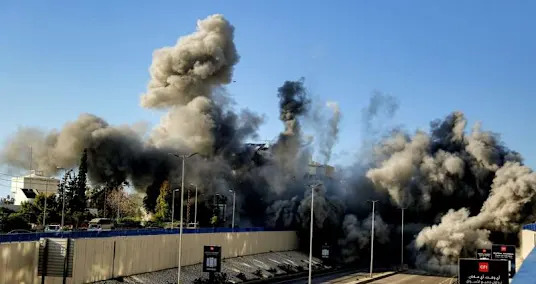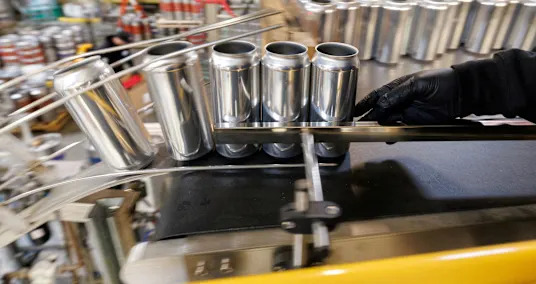
The Gulf’s 3.5 million tonnes of aluminum output is at risk because of the Iran war, and could trigger a global supply crisis according to analysts Wood Mackenzie.
Emirates Global Aluminium has halted operations in Abu Dhabi, after its Al Taweelah site sustained “significant damage” during an Iranian attack on March 28. That takes 1.6 million tonnes a year of production offline and it could take a year to repair. Aluminium Bahrain (Alba)’s facility was also hit by Iran on March 28 and its 1.6 million-tonne-a-year plant may now be working at just 30% of capacity. Qatar’s Qatalum is operating at around 60% capacity.
The Gulf accounts for around 23% of global, non-China aluminum production. Most Gulf output is sold overseas and the regional crisis is having a knock-on effect globally. Aluminum is in high demand from fast-growing industries such as electric vehicles, solar panels, wind turbines, and data centres. Prices are now at their highest level in four years.
LATEST POSTS
- 1
 Joshua Made Last-Second Seat Change That Saved His Life
 - 2I’m a neuroscientist who taught rats to drive − their joy suggests how anticipating fun can enrich human life
- 3Historic underwater structure discovered by divers off French coast
- 4Picking the Right Pot for Your Plants: An Aide for Plant Devotees
- 5Cyber Monday Paramount+ deal: Save 50% and stream these buzzy Taylor Sheridan shows


- The secret appeal of Harlan Coben’s messy, addictive TV thrillers
- Bombardier Global 8000 Enters Service
- Step by step instructions to Contrast Lab Precious stones and Normal Jewels
- 'Weezer: The Gathering' 2026 tour: How to get tickets, prices, dates and more
- Sheinelle Jones will cohost fourth hour of 'Today' with Jenna Bush Hager: Here's what to know about her
- Israeli strikes on Beirut, as Hezbollah and Iran attack Israel
- Antivirus Programming for Exhaustive Security
- Protest inspired by 'Gen Z' movement draws few young people in Mexico and many government critics
- How one man's concern saved his brothers from heart disease